The Process Behind Creating A Stunning Fiberglass Sculpture
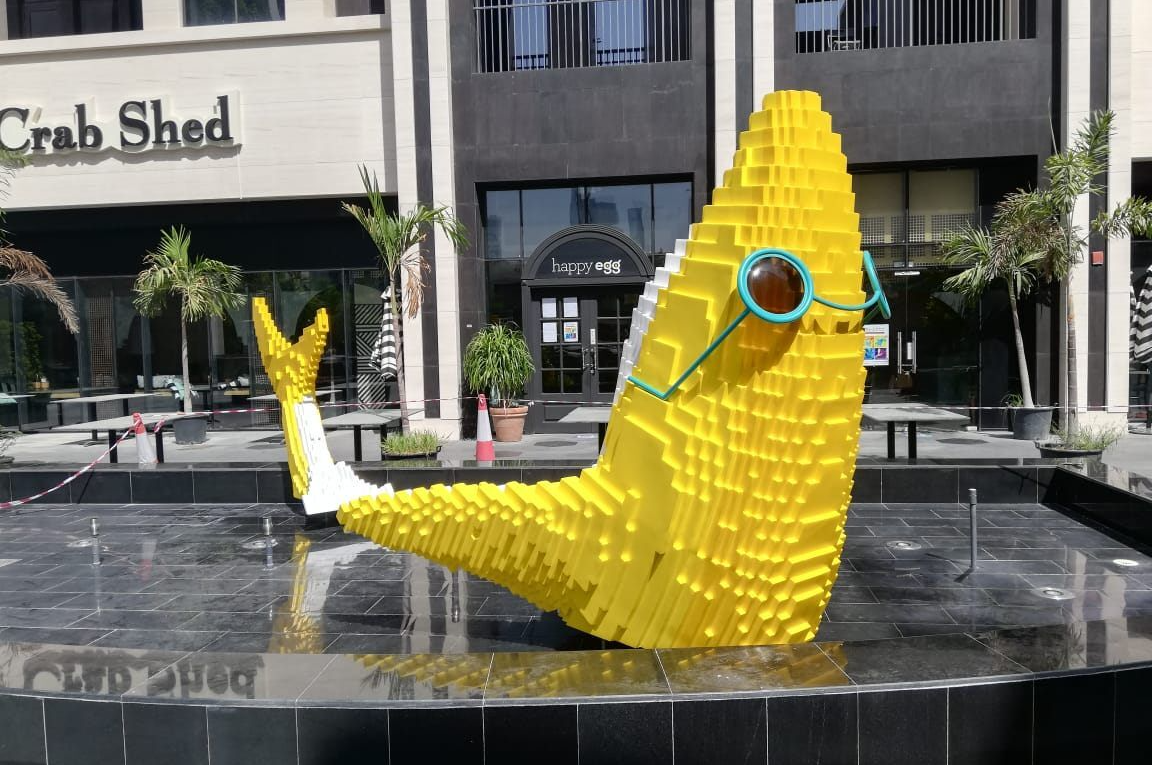
A stunning sculpture starts with a clear idea and grows through skill, craft, and the right materials. From the first sketch to the final coat, each stage adds detail and character to the finished piece. Fiberglass gives artists room to work with bold forms, smooth curves, fine details, and large structures. A skilled team uses several stages to turn an early concept into a finished work, making fiberglass sculpture fabrication an important part of the process.
Developing the first concept:
The process starts with an idea, drawing, or digital model. The artist defines the size, shape, details, and overall look of the sculpture. The team also studies the location where the piece will stand. These details help workers select suitable materials and decide how they will build the internal frame.
Building the internal frame:
Workers build a strong internal structure that supports the sculpture. They commonly use materials such as steel, wood, or metal tubing for this stage. The frame follows the planned dimensions and gives the outer fiberglass layers a stable base. A solid frame also helps the sculpture maintain its form during production and installation.
Forming the surface:
Workers add materials around the frame to form the main body. They use foam, clay, or other suitable materials to develop curves, edges, and small features. The team checks the surface from different angles and adjusts areas that need better balance or detail.
Adding fiberglass layers:
The team applies fiberglass cloth with resin across the prepared surface. Each layer adds strength and helps the sculpture hold its intended form. Workers allow the resin to cure before adding further layers. Larger sculptures may need several layers to provide the needed strength for indoor or outdoor use.
Smoothing and refining details:
After the fiberglass structure reaches the required strength, workers sand the surface to remove rough areas. They fill small marks, refine edges, and improve fine details. This stage gives the sculpture a clean surface that supports a high quality final finish.
Applying the final finish:
The final stage adds color, texture, and surface protection. Artists can use paint, metallic finishes, stone effects, or custom patterns based on the design. Workers inspect the finished sculpture and correct small surface issues before delivery.