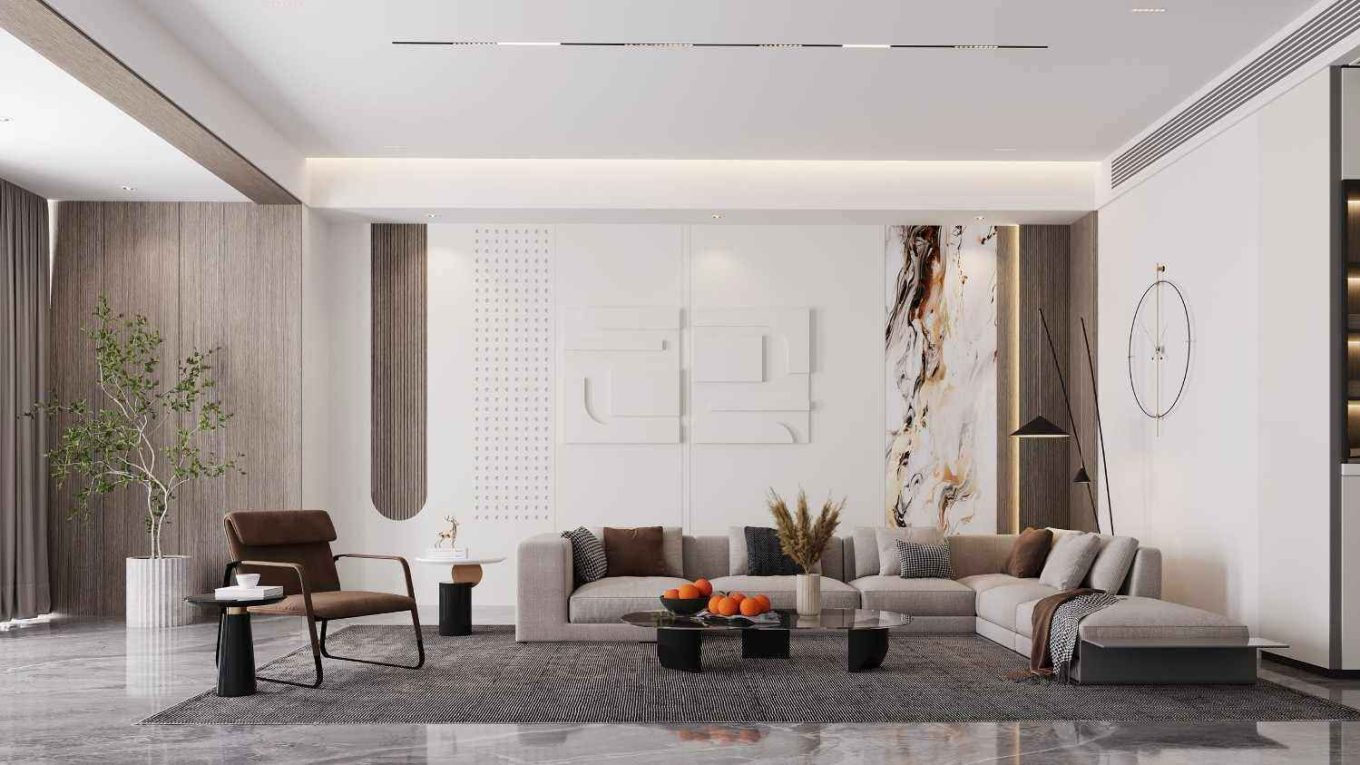
How Interior Design Impacts Your Mental Well-Being
Spaces hold an invisible influence over human emotions, shaping moods and altering stress levels with every color and texture. The arrangement of furniture, the flow of natural light, and the choice of materials create a silent conversation with the mind.
These elements either calm anxious thoughts or provoke restlessness without conscious awareness. Interior design serves as a powerful tool for psychological health, and this is why professional interior design companies in Dubai focus on creating environments that nurture mental clarity and peace.
Colors set emotional tones:
Wall paints and fabric shades directly affect brain activity and emotional responses. Soft blues lower heart rates, while warm yellows spark optimism and creative thinking. Neutral tones provide stability and reduce sensory overload, especially in sleeping areas. Bright reds increase energy but cause agitation in large doses. The right color combination creates a balanced atmosphere that supports daily mental functions without overwhelming the senses.
Lighting shapes daily rhythms:
Natural light exposure regulates sleep cycles and vitamin D production, directly impacting mood stability. Large windows and glass doors allow sunlight to flood interiors, reducing depressive symptoms. Layered artificial lighting with dimmer switches offers flexibility for different activities and times of day. Soft lamps in corners create cozy reading nooks, while brighter overhead lights support focused work.
Clutter creates mental fog:
Physical disorganization translates directly into cognitive overload and decision fatigue. Visual chaos sends constant stress signals to the brain, making relaxation nearly impossible. Open shelving and closed storage solutions keep surfaces clean and minds clear. Minimalist approaches reduce distractions and allow better concentration on important tasks. Tidy spaces promote tidy thinking patterns, leading to improved problem-solving abilities and reduced anxiety levels.
Furniture arrangement encourages movement:
Strategic placement of seating and tables affects physical activity and social interaction. Wide pathways invite natural movement, preventing feelings of confinement in small areas. Circular seating groups encourage conversation and connection, reducing feelings of isolation. Ergonomic chairs with proper support prevent physical discomfort, which directly contributes to mental irritation. Good flow between rooms makes daily routines feel effortless and peaceful.
Natural elements restore energy:
Indoor plants and organic materials like wood and stone provide a healing connection to nature. Green foliage reduces blood pressure and heart rate, creating instant calm in stressful moments. Water features or nature-inspired artwork mimic the soothing effects of outdoor environments. Natural materials add warmth and authenticity, making spaces feel secure and grounding. These elements bring the outside world inside, offering mental refreshment throughout the entire day.