Tips To Prevent Contamination And Corrosion In Stainless Steel Fabrication
Stainless steel looks amazing because it stays shiny and clean. Iron and steel can rust quickly when they get wet, but stainless steel has a special shield that blocks rust completely. Workers must protect this shield when they cut and shape the metal pieces. Small mistakes during stainless steel fabrication UAE can ruin the metal and cause deep rust spots.
Keep tools separate for different metals:
Carbon steel leaves tiny bits of iron behind when you cut it. If you use the same wheel or brush on stainless steel, those iron bits stick to the surface. Wet air makes that trapped iron rust fast, which eats into the clean metal underneath. Keep one set of tools for stainless steel and a different set for regular steel.
Clean your work area every day:
Metal dust travels through the air when people grind steel nearby. These flying sparks can land on your clean stainless steel sheets and start corrosion spots. Wipe down tables and sweep the floor to keep the workspace free from stray metal dust. Covering your project with plastic sheets helps keep the surface safe when you are not working.
Watch your grinding wheels:
Grinding discs hold onto small pieces of metal from the last job you worked on. Using an old disc on a new stainless steel project rubs bad metal directly into the clean surface. Always pick a fresh grinding wheel that belongs only to your stainless steel tasks. Mark these wheels with a bright color so nobody else uses them for carbon steel.
Handle the metal with clean gloves:
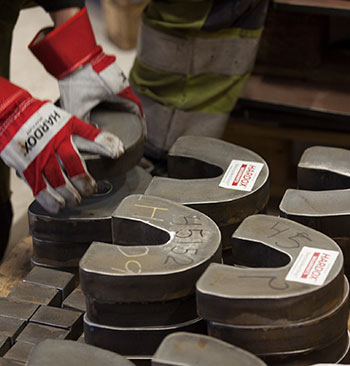
Human skin carries natural oils and salt that can mark smooth metal. These marks can leave permanent stains after you heat the metal during welding. Wear clean cloth or rubber gloves every time you lift or move the steel sheets. This simple step keeps your fingerprints from causing weak spots on the finished product.
Control the welding heat:
Too much heat during welding damages the mix of metals inside stainless steel. High heat pulls vital elements away from the welds, leaving those areas open to quick rust. Keep your welding temperature low and work in short bursts to protect the steel. Letting the metal cool down between welds keeps the protective shield strong.